

Are your core muscles weak or inactive?
What is the difference and why it matters

We often think of muscles being strong or weak, but what if muscles are inactive? ‘Weak’ and ‘inactive´ muscles sounds but same but it is quite different.
What is the difference?
A weak muscle is one that is not strong (this is not very helpful, is it?). Imagine you want to lift a heavy object. You used to be able to lift it easily before but right now, it has become more difficult. Or maybe you can lift it, but you feel really tired afterwards. Another example would be that you while you engage your muscles to lift the heavy weight, you feel shaky, or you might have muscle soreness afterwards. In all these cases, it’s very likely that the muscles are weak. Since after the age of 40, we lose 3 to 5% of muscle strength per year -unless we exercise, muscles weaken easily and fast.
On the other hand, if you have an inactive muscle, it feels like you can’t get it to contract at all. It’s not firing! No matter how hard you try, it feels like the muscle just won’t do its job.
Why does it matter?
If your core muscles are weak, you need to strengthen them but if your core muscles are inactive, you need to activate them. Strengthening is physical while activating is mental.
The great news is that you can learn to strengthen and to activate your core muscles. No excuse! In the first case, there are lots of wonderful exercises in Pilates and Yoga. But if your core muscles are inactive, these wonderful exercises will not help unless you first learn to activate them.
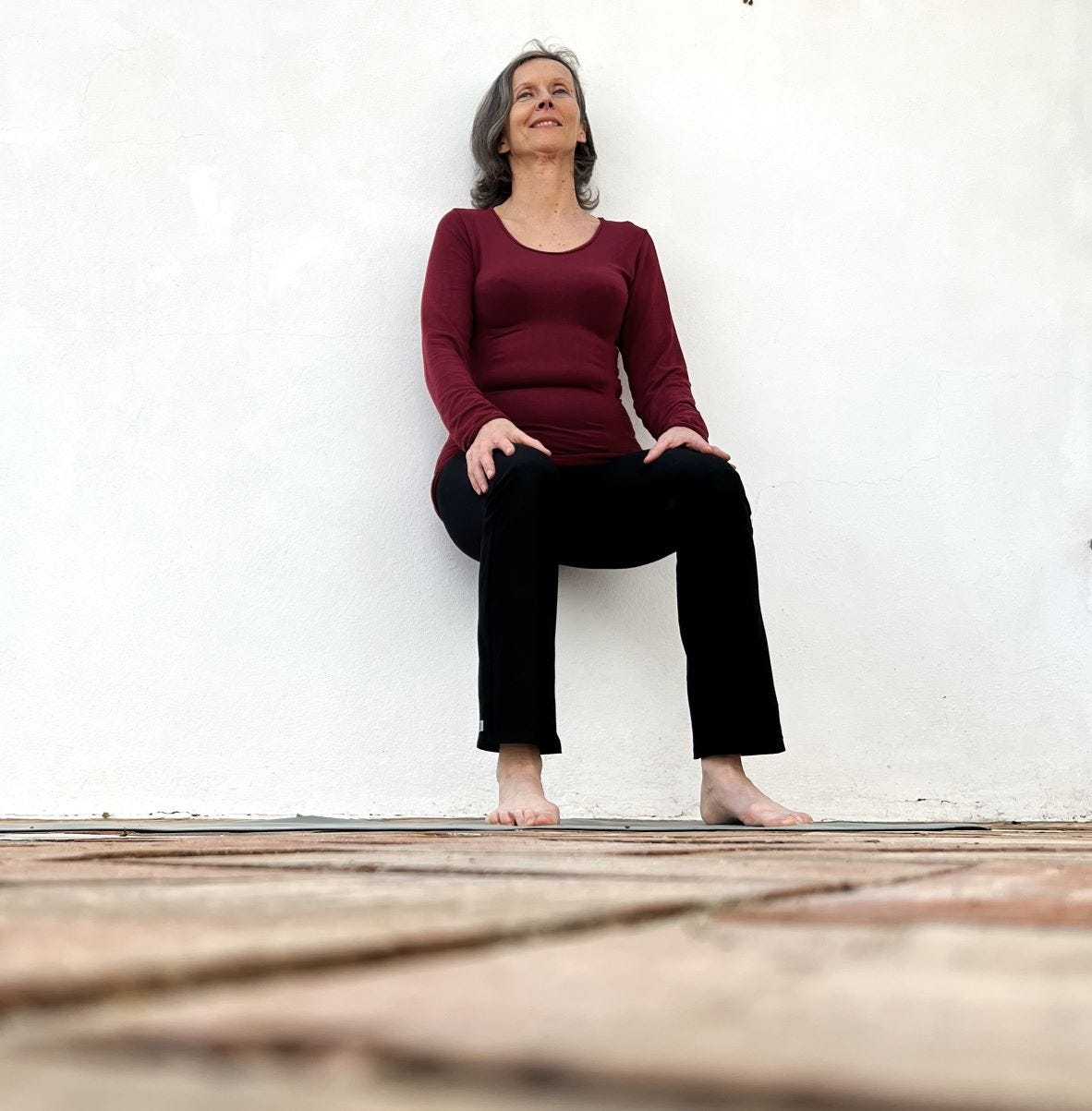
The most common reason why muscles are inactive is because the opposing muscles in the lower back (antagonist muscles) are very tight. In other words, they cannot lengthen to let your abdominals contract and shorten. The tighter the back muscles are, the harder it will be to use the abdominals, and the more “inactive” they’ll feel. This is why I always include cat and cow movements in a core strengthening class. There is also a similar relationship between the glutes and the hip flexors?
Where should you start?
Becoming aware of your core is the first crucial step. Which muscles are part of the core? How do you connect with your local core muscles, the one stabilising the spine? How do you strengthen the global muscles, those supporting your movements? In which order should you activate them? How can you strengthen mindfully?
Because the core is so important (more about that in the next newsletter), I’m now recording an online course about strengthening the core in 21 days. I answer these questions and offer 21 daily practises of 20 minutes each (including a weekly relaxation) to allow you to mindfully and safely build a strong core. I cannot wait to launch this new online course in a few weeks.
Have a wonderful day
Much love
Veronique
PS: Join me for a free Breathwork session on August 16th.

I'm looking forward to discovering more about your core muscle program...It sounds like something I need to concentrate more on...